 EN
ENReliable access to premium U.S. wines, led by J. Lohr, for hospitality professionals.
Home » Why U.S. Wines Are Gaining Demand in Côte d’Ivoire’s Hospitality Sector
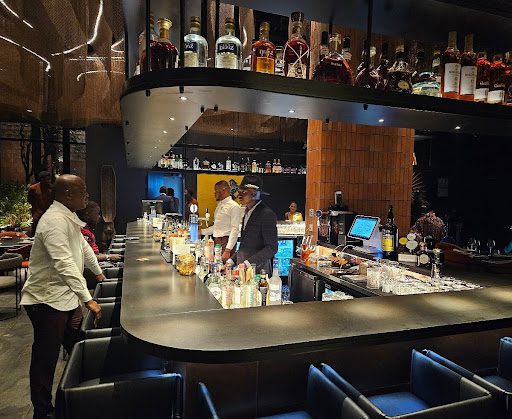
Côte d’Ivoire has quietly become one of Africa’s most dynamic wine markets, with hotels, restaurants, and bars reshaping their lists to match changing guest expectations. As this transformation continues, U.S. wine import demand tied to Côte d’Ivoire’s hospitality sector is starting to move from “niche opportunity” to a serious talking point for producers and trade partners.
For years, the Ivorian wine scene has been dominated by Spanish and French labels, especially at entry and mid tiers. Today, however, the combination of economic growth, new hotels, and better logistics has created room for U.S. wine import demand tied to Côte d’Ivoire’s hospitality sector to emerge.
Key features of current market entry dynamics:
For American producers and their partners, market entrance is less about flooding the country with volume and more about carefully placing wines in properties where guests are ready to pay for quality and origin. This is where focused distribution channels and targeted partnerships matter.
Since 2011, steady economic growth and rising business tourism have pushed up wine demand in Côte d’Ivoire, especially in Abidjan’s hotels, restaurants, and bars. These consumption trends are most visible in modern venues serving an urban middle class and international travelers who already see wine as part of a standard dining experience.
In practice, that means:
Within this environment, U.S. wine import demand tied to Côte d’Ivoire’s hospitality sector is rising because buyers are looking for something that complements, rather than replaces, existing French and Spanish offerings. As trends evolve, American labels can be positioned as a distinct, modern choice, particularly in international-brand hotels and contemporary restaurant concepts.
Côte d’Ivoire now imports tens of thousands of tons of wine annually and leads Africa in total import value, with a clear move toward higher‑value segments in key urban pockets. In hotels and top restaurants, buyers are deliberately building lists around premium imports, not just entry-level volumes.
In this space:
This shift aligns neatly with U.S. wine import demand tied to Côte d’Ivoire’s hospitality sector, as American wines are typically not competing at the very lowest price points. Instead, premium imports from the U.S. can fill the gap between standard house wines and a small set of iconic French labels, giving beverage managers more flexibility in list design.
Underneath the trade data, consumer behavior is changing. A younger, more affluent urban demographic is open to trying international wines, exploring pairings with local dishes, and seeing wine as part of a modern lifestyle rather than an occasional luxury.
For hospitality operators, this shows up as:
These shifts in consumers create a natural opening for U.S. wine import demand tied to Côte d’Ivoire’s hospitality sector, because American wines offer fruit‑forward, approachable profiles that can work well with grilled meats, spicy dishes, and fusion menus. When buyers see that guests respond well to these styles, confidence in U.S. wines grows, and listings tend to become more permanent.
Wine in Côte d’Ivoire moves mainly through structured distribution channels: importers, wholesalers, specialty retailers, and a powerful modern retail segment anchored by groups like Prosuma and its wine arm L’Oenophile. Around 80 percent of wine is sold through retail, with the remaining 20 percent going through hotels, restaurants, and bars.
For U.S. wines, the path to the hospitality sector usually includes:
Well‑chosen distribution channels give structure to U.S. wine import demand tied to Côte d’Ivoire’s hospitality sector, ensuring wines arrive with proper documentation, pricing logic, and supply continuity. Over time, this builds confidence among purchasing managers who want to avoid the risk of one‑off listings they cannot replenish.
For American wineries and their export partners, Côte d’Ivoire is no longer just a marginal destination. The combination of growth in hospitality, changing trends, and a visible appetite for imports has turned the country into a gateway for West Africa.
If handled carefully, the growing demand in Côte d’Ivoire’s hospitality sector can support:
Success will depend on clear market entry strategies, close reading of consumers, and disciplined work with local partners across all relevant distribution channels. For trade professionals ready to commit to the market’s realities, Côte d’Ivoire offers a rare combination of scale, growth, and openness to new origins—making it one of the most interesting frontiers for U.S. wine in Africa today.
Côte d’Ivoire’s hotel, restaurant, and bar scene is evolving fast, and wine is now firmly part of that story. The U.S. wine import demand linked to Côte d’Ivoire’s hotel industry is transitioning from experiment to organized opportunity as lists grow and visitors become more inquisitive and knowledgeable.
The message is obvious for American producers and their partners: this is a market that prioritizes professionalism, dependable supply, and strategic positioning over short-term gains. The ideal people to turn today’s curiosity into a long-term presence in one of Africa’s most promising wine destinations are those who comprehend consumption trends, respect current distribution channels, and fit in with local consumer behavior.